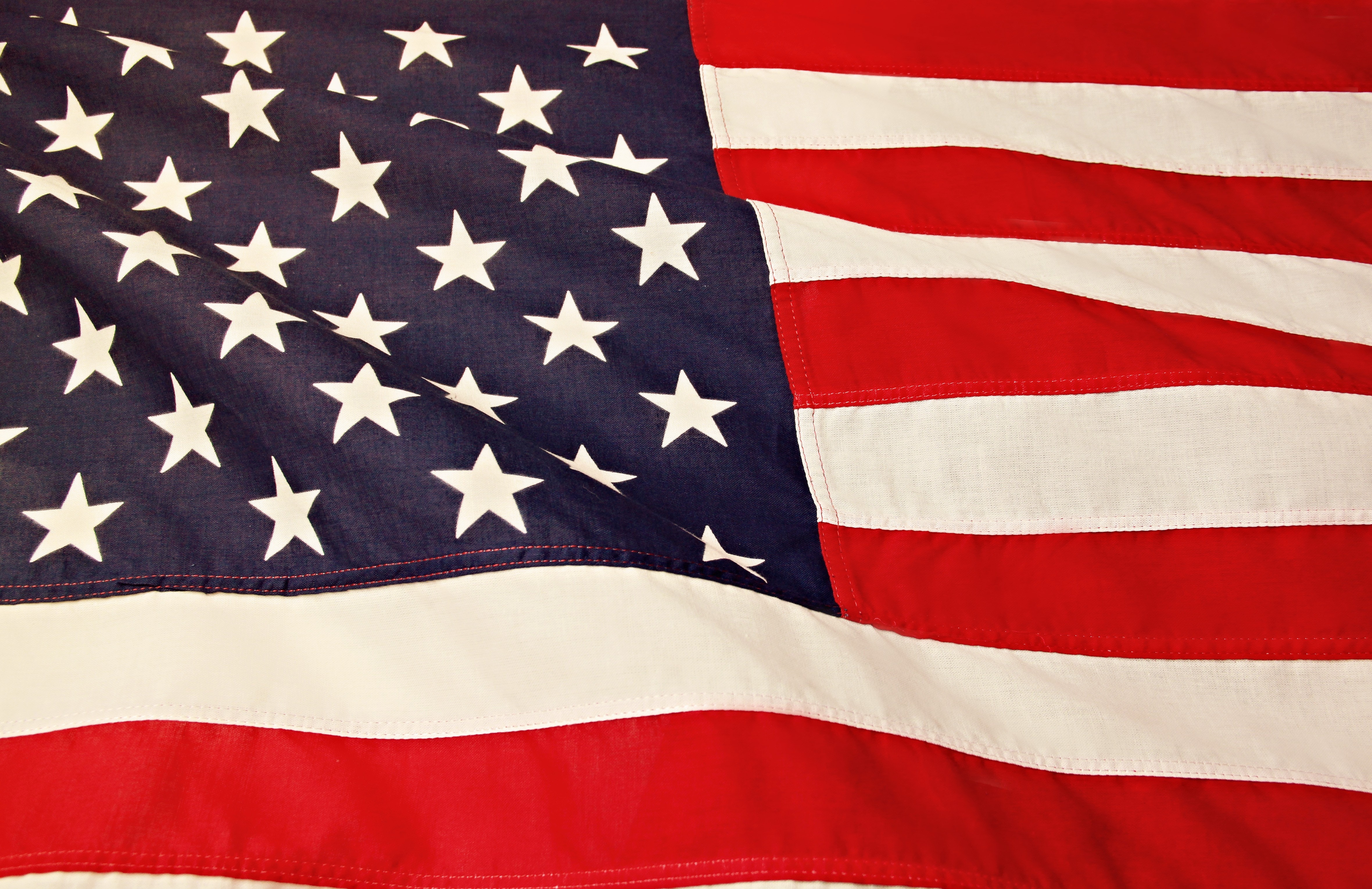

“The health of a democratic society may be measured by the quality of functions performed by private citizens.“
Alexis de Tocqueville, Democracy In America
I live in a small town – small enough to walk nearly the entire city in under an hour. The town has more churches than restaurants, a post office with five employees, a physician’s office, four police officers, and neighbors that know each other by name. There are no more than 1700 folks who live here. Small enough to hold a town meeting in a nearby former refurbished warehouse that at one time was part of a farm. It was at a town hall meeting that got me thinking. What has happened to American democracy?
If you were lucky enough to have a real history teacher at some point in your education, then you know who Alexis de Tocqueville is. He was a French sociologist and political theorist who journeyed from France to America to study American prisons in 1835. Instead of writing a book about prisons, de Tocqueville wrote one of the most influential books in history, Democracy in America, compiling his observations about life in America into two volumes. It would be easy to dismiss de Tocqueville’s observations if they were not as pertinent today as the nineteenth century.
Skeptics will say 19th-century political observations have little to do with modern America, politics, and democracy. Life was a whole lot less complex in the 1800s than today. Consider this; the 1830s was the age of the populist President, Andrew Jackson. Jackson was as anti-establishment as you could find in 1829. He was unabashedly pro-slavery, a proponent of state rights, and railed against what he viewed as an elitist wealthy establishment class that valued wealth over the welfare of its citizenry. Elections were raucous events; corrupt to the core by vote-buying, unsupervised counting, and the victor most often the political handiwork of closed-door deal-making. At Jackson’s inauguration, a mob stoked by whiskey and pent-up anger fueled by years of perceived disrespect by the political establishment flooded the White House, overwhelming the staff, though by most accounts, did minor damage to the White House grounds and interiors. Not so in the media’s eyes that sensationalized reports of drunken vandalism and disrespect for civil authority.
William James wrote, “The world we see that seems so insane is the result of a belief system that is not working. To perceive the world differently, we must be willing to change our belief system, let the past slip away, expand our sense of now, and dissolve the fear in our minds.” Is James right, we view the world through a faulty belief system? So, is democracy in America faulty and broken? Or have we lost our belief in democracy? One answer to that question may be found in de Tocqueville’s quote, “The health of a democratic society may be measured by the quality of functions performed by private citizens” – the town meeting.
Every day thousands of Americans volunteer to serve on nonprofits, in churches, mosques, temples, and schools. Every day, thousands of Americans serve on juries and volunteer to help their community in some capacity. Town meeting democracy is real, tangible, and exists. The belief is not broken, nor is democracy. We simply need to reimagine what democracy is and how it functions in our modern society. The answer is not found in political parties, Congress, or Washington, DC. The answer is civic engagement reaffirming the belief in American democracy. Forged by the first town meetings in the 1600s and reconstructed in volunteerism, charitable works, and civic education. This is Democracy 2.0.

 Essays in Democracy